
Alcohol Addiction Centers in Florida
AlcoholRehabFlorida links you with SAMHSA-accredited alcohol treatment centers featuring medically supervised withdrawal, inpatient recovery, partial hospitalization (PHP), intensive outpatient (IOP), and conventional outpatient care. Florida's most reputable centers accept major insurance and state Medicaid. Explore our free directory to evaluate alcohol recovery programs by care level, city, and insurance coverage — or dial our 24/7 helpline for immediate placement support.
Recognizing Alcohol Addiction: Physical, Behavioral, and Psychological Signs
Alcohol use disorder develops progressively. Spotting warning signs early — in yourself or people you care about — expedites treatment access and significantly increases recovery success.
Physical Signs
- •Trembling hands or body shaking after waking
- •Memory loss from drinking (blackouts or gaps)
- •Facial flushing, broken blood vessels, or rosacea
- •Liver cirrhosis symptoms: yellowed skin and eyes
- •Weight variations without clear cause
- •Communication difficulties, unsteady gait, or nerve damage
Behavioral Signs
- •Drinking more than planned or more frequently than intended
- •Repeated unsuccessful attempts to reduce or quit drinking
- •Excessive time obtaining, consuming, or recovering from alcohol
- •Neglecting career, family, academics, or house duties
- •Persistence despite clear relationship damage from drinking
- •Reduction in previously important hobbies, sports, or friendships
Psychological Signs
- •Strong alcohol cravings or constant thoughts about drinking
- •Emotional instability, anxiety, or sadness without alcohol access
- •Self-medicating stress, loss, or emotional pain with alcohol
- •Risky behavior, poor reasoning, and emotional unpredictability
Recognize these symptoms in yourself or someone you care about? Call +1 (888) 270-5543 for confidential evaluation — no charge, no commitment, available 24/7.
Alcohol Treatment Program Options
Comprehensive alcohol addiction recovery advances through stepped levels of care — starting with medically supervised detox progressing to sustained outpatient support. The right level depends on alcohol dependence severity, existing health issues, and personal context.
Medical Detox
3–7 daysMedically managed alcohol withdrawal with constant medical and nursing supervision. Critical for people with significant alcohol dependency before moving to residential or outpatient programs. Alcohol detox drops mortality risk from unmanaged withdrawal from 15% to less than 1%.
Residential Treatment (Inpatient)
28–90 daysRound-the-clock specialized support in a residential setting. Packages incorporate cognitive behavioral therapy (CBT), peer groups, family education, and addiction management. Necessary for serious alcohol use disorder or when family circumstances hinder healing.
Partial Hospitalization Program (PHP)
4–6 hours/day, 5 days/weekStructured treatment during daytime with evening return home. PHP bridges inpatient and outpatient levels, delivering intensive alcohol recovery care while maintaining independence and staying connected with family.
Intensive Outpatient Program (IOP)
9–20 hours/weekRegular therapy while preserving job, education, or family responsibilities. IOP is the standard follow-up after inpatient or PHP care for manageable alcohol use disorder.
Standard Outpatient
1–3 sessions/weekContinued counseling and support for individuals progressing steadily in early sobriety. Many Florida programs include peer networks, community groups, sober living partnerships, and online counseling for people living remotely.
Alcohol Withdrawal Syndrome: Manifestations, Duration, and Supervised Detoxification
Alcohol withdrawal manifests when alcohol-dependent individuals decrease or discontinue consumption. Symptoms range from uncomfortable to dangerous based on how long someone drank and consumption volume. Supervised medical detox manages withdrawal safely with round-the-clock medical care.
Initial Hours (6–12)
Tremors, perspiration, agitation, migraine, vomiting, tachycardia, panic
High-Risk Period (12–48)
Visual and auditory hallucinations, significant shaking, increased temperature, confusion, seizure possibility, high blood pressure, severe fluid depletion
Most Dangerous (2–4 days)
Delirium tremens (DTs), disorientation, paranoid thinking, severe dysregulation, death risk without emergency assistance
Stabilization Phase (5–7 days)
Progressive recovery; ongoing tiredness, sleep disruption, and emotional struggle may persist
Common Withdrawal Symptoms
Alcohol withdrawal presents life-threatening medical dangers. Seizures and delirium tremens may happen within 24–72 hours of the final drink. Medically supervised detoxification reduces mortality from withdrawal from 15% in untreated individuals to under 1%. Professional medical supervision is mandatory during alcohol withdrawal.
Extended Acute Withdrawal Syndrome (PAWS) — lingering emotional swings, insomnia, low stamina, and intense cravings — may endure for weeks or longer following detoxification. MAT medications (naltrexone, acamprosate) and professional therapy substantially reduce PAWS symptoms and relapse dangers.
Medication-Assisted Treatment (MAT) for Alcohol Use Disorder
MAT merges FDA-approved medications with behavioral support to manage alcohol use disorder. SAMHSA and ASAM identify MAT as the clinical standard for alcohol addiction — decreasing relapse by 50–70% and substantially enhancing lasting sobriety results.
Naltrexone
Complete mu-opioid blocker preventing alcohol's pleasure signal. Oral daily formulation or monthly shot (Vivitrol). Decreases cravings and cancels alcohol's satisfying effects.
Moderate-to-severe alcohol use disorder; individuals driven to maintain sobriety or reduced drinking
Prescribed by medical professionals in clinics or online. Dispensed through pharmacies. Immediate start without detoxification needed.
Acamprosate (Campral)
Normalizes mind neurotransmitter balance damaged by persistent alcohol misuse. Three-daily-dose tablet. Safe, non-sedating, rare adverse reactions.
Mild-to-moderate alcohol use disorder; those desiring early recovery aid with excellent side effect profile
Prescribed by healthcare workers. Available via pharmacies. Insurance and Medicaid typically pay.
Disulfiram (Antabuse)
Triggers negative response if alcohol is ingested: skin flushing, stomach upset, vomiting, thoracic discomfort. Behavioral deterrent instead of craving-suppressing agent.
Highly dedicated individuals who gain strength from deterrent motivation; demands firm commitment
Prescribed by MDs. Once-daily pill. Needs signed permission and medical follow-up.
Topiramate or Gabapentin (off-label)
Diminishes alcohol desire and anxiety symptoms. Gabapentin particularly useful for sleep problems and anxiety. Topiramate demonstrates anti-craving activity in trials.
Alcohol use disorder combined with coexisting panic, sleeplessness, or mood disorders
Prescribed off-label by addiction physicians. Covered by most plans. Growing popularity in Florida centers.
These evidence-based medications aren't replacement substances — they rebalance neurochemistry, decrease desire, and block alcohol's pleasurable effects. With behavioral therapy (CBT), community groups, and 12-step programs, MAT achieves 40–60% sustained sobriety at one year.
Alcohol Rehab Pricing in Florida: What to Budget
Treatment expenses differ by program type, duration, and insurance status. Most insurers and Florida Medicaid legally must pay for addiction services.
| Program Type | Without Insurance | With Insurance |
|---|---|---|
| Medical Detox (5–7 days) | $1,200–$6,000 | Usually fully covered |
| Residential / Inpatient (30 days) | $4,500–$25,000 | 50–100% paid |
| Partial Hospitalization — PHP (4 weeks) | $2,500–$8,000 | Typically paid |
| Intensive Outpatient — IOP (8 weeks) | $1,200–$4,000 | Usually paid |
| Standard Outpatient (12 weeks) | $400–$1,500 | Co-pay varies |
Major carriers — Blue Cross Blue Shield, Aetna, Cigna, UnitedHealthcare, and Humana — must pay for alcohol care under parity requirements. Florida Medicaid funds addiction treatment. Our team confirms your coverage immediately.
How to Find Your Ideal Alcohol Rehab Facility
AlcoholRehabFlorida simplifies discovering verified, insurance-approved alcohol treatment centers — from your initial search through same-day enrollment.
Search and Filter
Narrow our SAMHSA-certified directory by region, ZIP code, insurance provider, treatment intensity (detoxification, residential, PHP, IOP, standard outpatient), and specialized programs. Each facility listing displays licensing status, insurance partnerships, and available evidence-based approaches.
Speak With a Recovery Specialist
Contact our available recovery counselors at +1 (888) 270-5543 — 24/7, free, and completely confidential. Our specialists review your situation, explore available programs, and recommend treatment plans customized to your individual circumstances.
Confirm Insurance Details
Our insurance team contacts your provider immediately to check coverage eligibility, plan details, and patient costs for alcohol addiction care. Without insurance? We review Florida Medicaid eligibility and state-supported program options during the same call. The whole process typically completes in about 10 minutes with no cost.
Start Your Program
Most centers provide admission within 24–48 hours following assessment. Your treatment team creates a recovery plan incorporating medical detox, evidence-based interventions (CBT, MAT, MI), and ongoing aftercare strategy.
Selecting Your Ideal Alcohol Treatment Facility
The best facility fits your complexity, finances, geography, and recovery intentions. Use these five standards to evaluate prospective programs.
Accreditation
Verify Joint Commission, CARF credentials, or NAATP standing — marks of clinical excellence standards.
Evidence-Based Care
Verify CBT, medication selection (naltrexone, acamprosate, disulfiram), and individualization — not assembly-line group talk alone.
Dual Diagnosis Capability
For panic, sadness, PTSD, or manic states, verify joint recovery for alcohol plus psychiatric problems.
Family Participation
Excellent centers involve family training, joint treatment, and lasting aid — understanding alcohol touches entire households.
Aftercare Planning
Verify alumni clubs, community help, sober living paths, and 12-month follow-up — genuine healing transcends your exit date.
Key Questions to Pose
- 1.What program levels are available (detox, inpatient, PHP, IOP)?
- 2.What is your insurance coverage? What are my personal costs?
- 3.What evidence-supported treatments and medications do you provide?
- 4.How do you manage coexisting emotional and psychiatric issues?
- 5.Explain your alumni services, peer groups, and ongoing support.
- 6.What qualifications have your providers? How many staff per client?
Featured Alcohol Rehab Facilities
Review our hand-selected network of top-rated centers with strong track records helping individuals achieve lasting alcohol recovery
2nd Chance Mental Health Center
Port Saint Lucie, FL
2nd Chance Mental Health Center in Port Saint Lucie specializes in treating clients with co-occurring substance use and mental health disorders through evidence-based outpatient and intensive programs. Their team employs cognitive behavioral therapy, motivational interviewing, and relapse prevention to address both addiction and underlying mental health conditions. CARF-accredited, they offer flexible telemedicine options alongside in-person care.
Services:
 Featured
A Counseling Center
Cocoa, FL
A Counseling Center in Cocoa, FL specializes in substance use treatment and co-occurring mental health disorders for diverse populations including military personnel, trauma survivors, and LGBTQ+ individuals. The center offers evidence-based approaches such as cognitive behavioral therapy, anger management, and relapse prevention in an outpatient setting. State-accredited and committed to serving underrepresented communities, this facility provides compassionate care for adults, adolescents, seniors, and those navigating complex trauma or dual diagnoses.
Services:
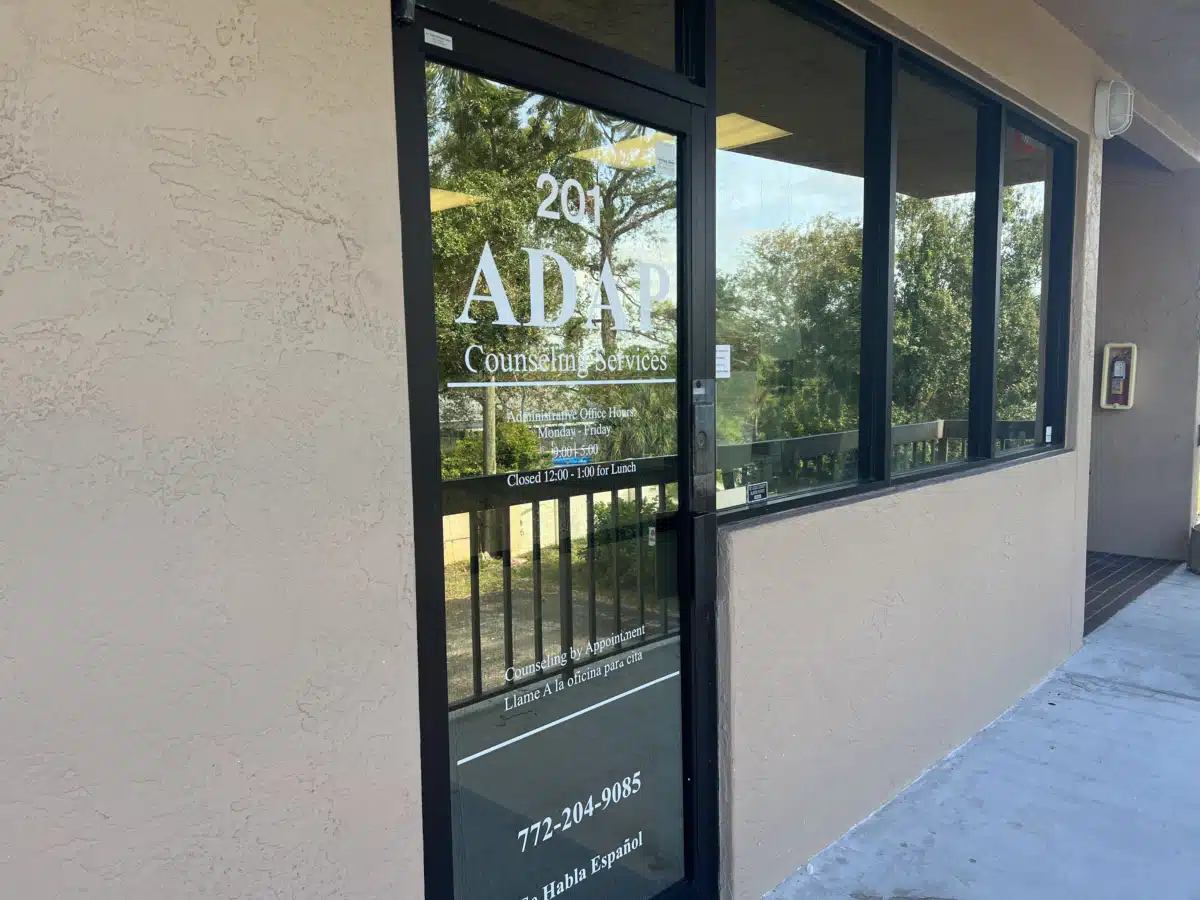
ADAP Counseling Services
Port Saint Lucie, FL
ADAP Counseling Services in Port Saint Lucie provides comprehensive substance use treatment through evidence-based outpatient care, combining cognitive behavioral therapy, motivational interviewing, and trauma-related counseling to address root causes of addiction. As a state-accredited substance use treatment agency, they specialize in relapse prevention and anger management while offering flexible telemedicine options for clients seeking recovery support.
Services:
ADAP Counseling Services
Stuart, FL
ADAP Counseling Services in Stuart, FL specializes in comprehensive substance use treatment through evidence-based outpatient care. Their clinicians utilize cognitive behavioral therapy, motivational interviewing, and trauma-informed approaches to address underlying issues driving addiction. With flexible telemedicine options and state accreditation, they make recovery accessible and personalized for each client's journey.
Services:
AIM Target Programs Inc
Fort Myers, FL
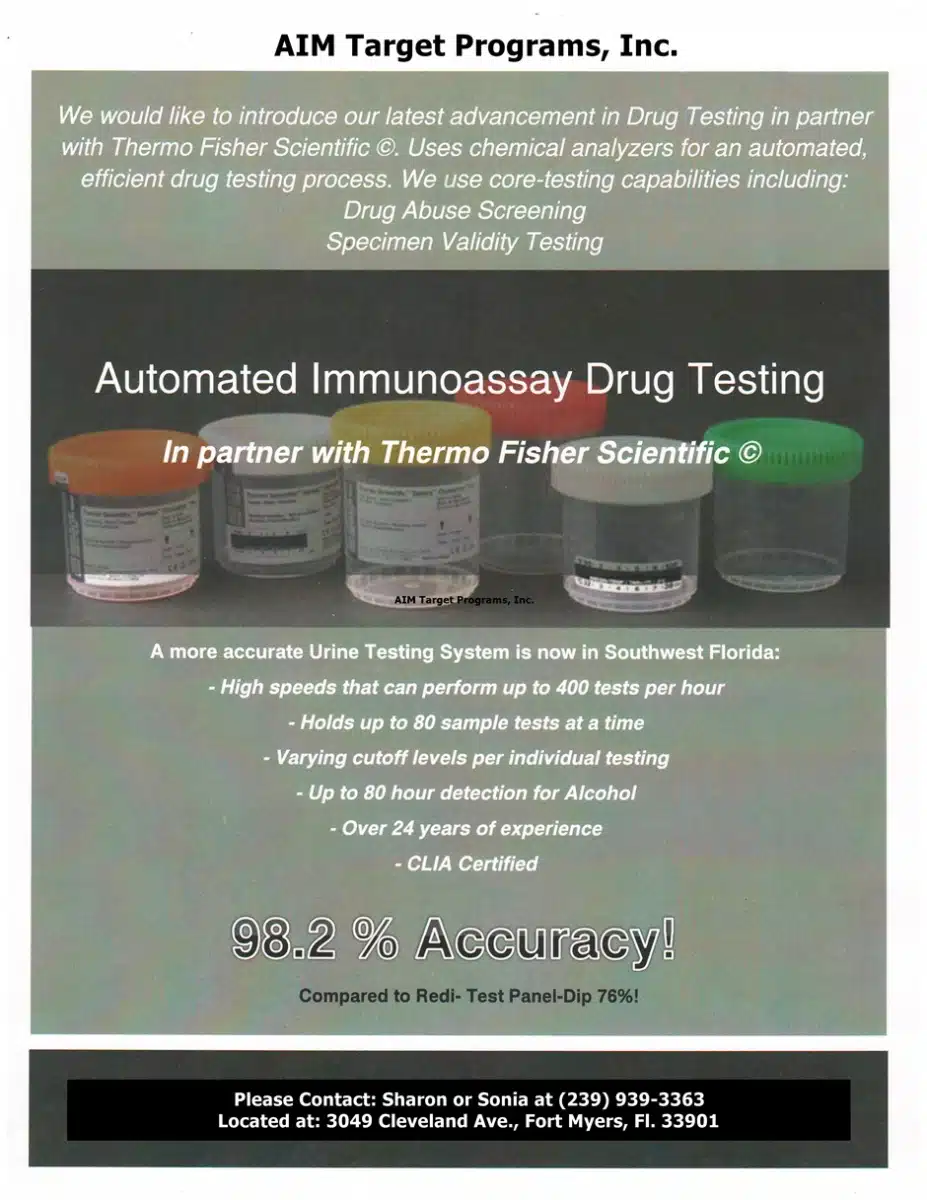
AIM Target Programs Inc in Fort Myers provides comprehensive substance use disorder treatment through evidence-based outpatient services. Specializing in trauma-informed care for survivors of intimate partner and domestic violence, the facility integrates 12-step facilitation with cognitive behavioral therapy and motivational interviewing. Their state-accredited, Joint Commission-certified programs offer flexible telemedicine options alongside in-person counseling.
Services:
AISOL LLC
West Palm Beach, FL
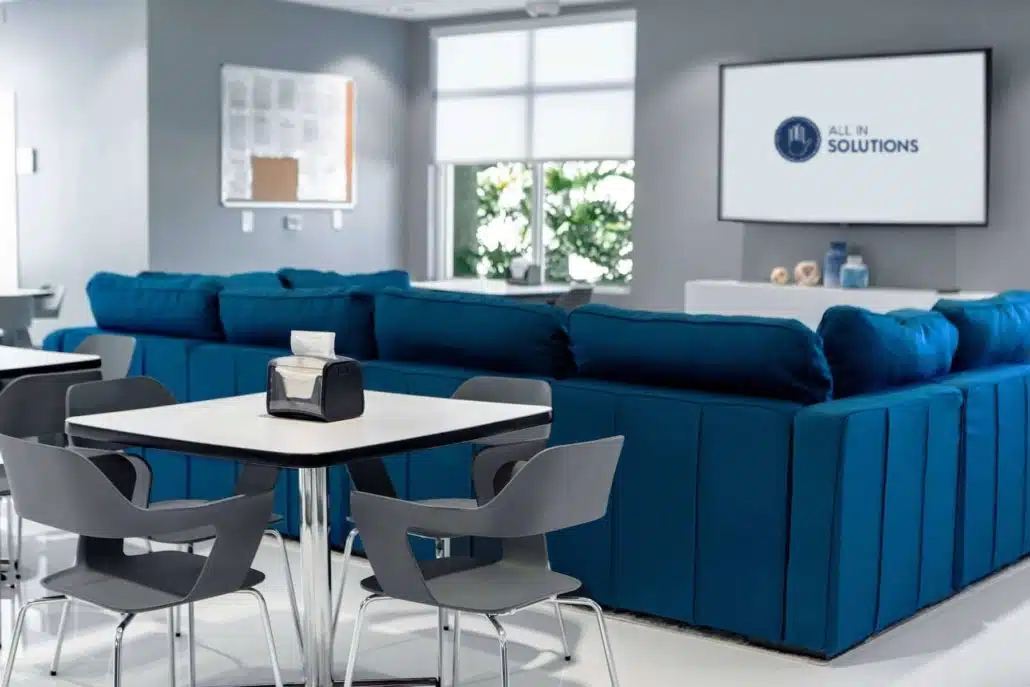
AISOL LLC in West Palm Beach provides comprehensive detoxification and substance use treatment in both hospital inpatient and residential settings. The facility specializes in evidence-based therapies including cognitive behavioral therapy, motivational interviewing, and relapse prevention, with dedicated support for veterans, LGBTQ individuals, and those managing co-occurring mental health conditions. Joint Commission accreditation ensures the highest standards of care and patient safety.
Services:
Proven Therapy Methods in Alcohol Recovery
AlcoholRehabFlorida highlights facilities utilizing scientifically validated approaches for alcohol use disorder — most excellent programs merge multiple research-based approaches customized to individual aims.
Cognitive Behavioral Therapy (CBT)
Restructures destructive cognitions and behaviors connected to drinking urges. CBT ranks highest in research with 40–60% persistent sobriety rates.
Medication-Assisted Treatment (MAT)
Clinically approved medications — naltrexone, acamprosate, disulfiram — minimize desire and block intoxication. SAMHSA and ASAM classify MAT as the standard therapy.
12-Step Facilitation
Peer-led frameworks (AA) merged with medical intervention. Research indicates peer participation raises 12-month recovery by 25–35% with professional support.
Motivational Interviewing (MI)
Client-led approach building intrinsic drive toward recovery. Most successful for ambivalent individuals or first-time attendees.
Dual Diagnosis Treatment
Concurrent intervention for co-occurring mental disorders — mood swings, stress, PTSD, bipolar illness — alongside alcohol addiction. 50–60% of alcohol-dependent patients face additional psychiatric problems.
Find Treatment by Type
Specialized programs designed to meet your unique recovery needs
Payment and Insurance Solutions
AlcoholRehabFlorida verifies that listed alcohol centers take major plans — Blue Cross Blue Shield, Aetna, Cigna, UnitedHealthcare, Humana, and Florida Medicaid.


.svg?dpl=dpl_3kgmw5AhJSYpUTDmYBmxd3gB4gth)
Many Florida alcohol centers hold Joint Commission Gold Seal or CARF accreditation — verifying research-supported excellence. Federal law mandates parity — insurers must fund addiction like any medical condition.
Alcohol Rehab: Frequently Asked
Typical alcohol treatment inquiries address program length, financial aspects, insurance, and success — direct solutions below.
How long should you stay in rehab for alcohol?
Alcohol detoxification: 5–7 days. Short residential stays: 28–30 days. Comprehensive programs: 60–90 days. Longer stays produce better sustained recovery for serious alcohol dependence. Continuing follow-up and alumni services extend advantages for 12+ months.
What is the cost of alcohol rehabilitation in Florida?
Self-pay: $1,500–$30,000 based on setting and duration. Insured: typically 50–100% post-deductible. Florida Medicaid: covered. Our confidential helpline checks your coverage instantly — +1 (888) 270-5543.
How do you pay for alcohol rehab in Florida?
Method 1: Call your insurer's behavioral health line. Method 2: Use our complimentary insurance review — we contact your plan directly to confirm coverage. Method 3: No insurance? Investigate Florida Medicaid or community-supported services. The Parity statute mandates insurance companies pay like medical services.
What works best for alcohol recovery?
Best-practice centers mix cognitive behavioral therapy (CBT), medications (naltrexone or acamprosate), behavioral support, and peer networks. SAMHSA suggests 90-day stays plus 12-month followup. Dual diagnosis care for coexisting mood or panic disorders substantially improves lasting outcomes.
Alcohol Addiction Impact: Florida and National Numbers
Understanding how common and serious alcohol use disorder is nationally and in Florida demonstrates the vital necessity for accessible, clinically proven recovery.
U.S. adults with alcohol use disorder annually (NIAAA, 2023)
Alcohol-related deaths yearly across the country (CDC, 2022)
Maintained recovery with gold-standard care and 12-month aftercare
Receiving professional addiction intervention (SAMHSA)
Sources: NIAAA Alcohol Use Disorder Facts, CDC National Center for Health Statistics, SAMHSA 2023 NSDUH

Grasping Alcohol Use Disorder
An estimated 29.5 million U.S. adults face alcohol dependence yearly (NIAAA, 2023). Medical detox, cognitive behavioral therapy, and medication management together accomplish 40–60% ongoing recovery at 12 months with sustained aftercare. Professional alcohol recovery stands as one of medicine's most successful therapies.

How AlcoholRehabFlorida Connects You With Verified Treatment
AlcoholRehabFlorida supplies the nation's most detailed verified directory, cross-referenced with SAMHSA data, NIAAA sources, and Florida licensing. Each facility confirmation covers active licensing, covered plans, CARF or Joint Commission status, and evidence-supported services. Our confidential 24/7 counselors deliver cost-free evaluation — no strings.
How We Authenticate Alcohol Treatment Listings
AlcoholRehabFlorida keeps a curated database of Florida and nationwide alcohol centers — every facility undergoes authentication via trusted sources to promise accurate, actionable insight.
SAMHSA Treatment Locator
U.S. Department of Health and Human Services substance treatment database.
NIH Behavioral Health Databases
National research confirms alcohol recovery interventions, success information, and medical excellence.
Florida Department of Health Licensing
Validation that centers maintain active licenses for substance addiction programming.
CARF / Joint Commission
Accreditation verification for centers asserting Joint Commission or CARF standing.
AlcoholRehabFlorida refuses facility contributions for ranking advantage or top listings. All outcomes follow objective math: authenticated SAMHSA registration, working state license, insurance acceptance, offered program levels, and research-based approaches.
Stories of Transformation Through Our Service
Verified personal accounts from those who accessed alcohol treatment through our directory.
“I discovered treatment in under 30 minutes here. After 60 residential days, I've been continuously alcohol-free for 18 months — ending 15 years of daily consumption.”
David R.
Jacksonville, FL
“The insurance verification was crucial. I wasn't aware my plan included PHP. The support made it possible to maintain my job while getting better.”
Jennifer P.
Tampa, FL
“My partner battled alcohol plus depression. We discovered a dual diagnosis program. His shift has been incredible.”
Maria T.
Miami, FL
No-Cost Alcohol Support in Florida
When professional treatment costs feel impossible, complimentary and affordable programs exist through agencies and groups.
SAMHSA National Helpline
24/7 no-cost referrals and guidance for addiction. Ring 1-800-662-HELP (4357).
Florida Department of Health Substance Use Services
State department providing Medicaid addiction care. Points to regional providers and affordable programs across Florida.
988 Suicide & Crisis Lifeline
Ring or message 988 for immediate support. Available round-the-clock, confidential, no fee. Crisis and drinking emergencies supported.
Alcoholics Anonymous Florida Meetings
Gratis community with daily gatherings statewide. No dues, anonymous, spiritually-centered.
Why AlcoholRehabFlorida Is Florida's Top Alcohol Recovery Directory
SAMHSA-Verified Listings
AlcoholRehabFlorida confirms all Florida alcohol centers against SAMHSA's national listings and current license status.
No Facility Payments
Facilities don't fund positioning or prominence. Scores depend only on verified data — never paid advertising.
24/7 Licensed Specialists
Our licensed counselors provide confidential evaluation and can position you within hours. No cost. Ring +1 (888) 270-5543.
Clear Program Details
Each center lists insurance, care levels (detox, inpatient, IOP, outpatient), credentials, and evidence-based methods.
Reviewed by addiction specialists
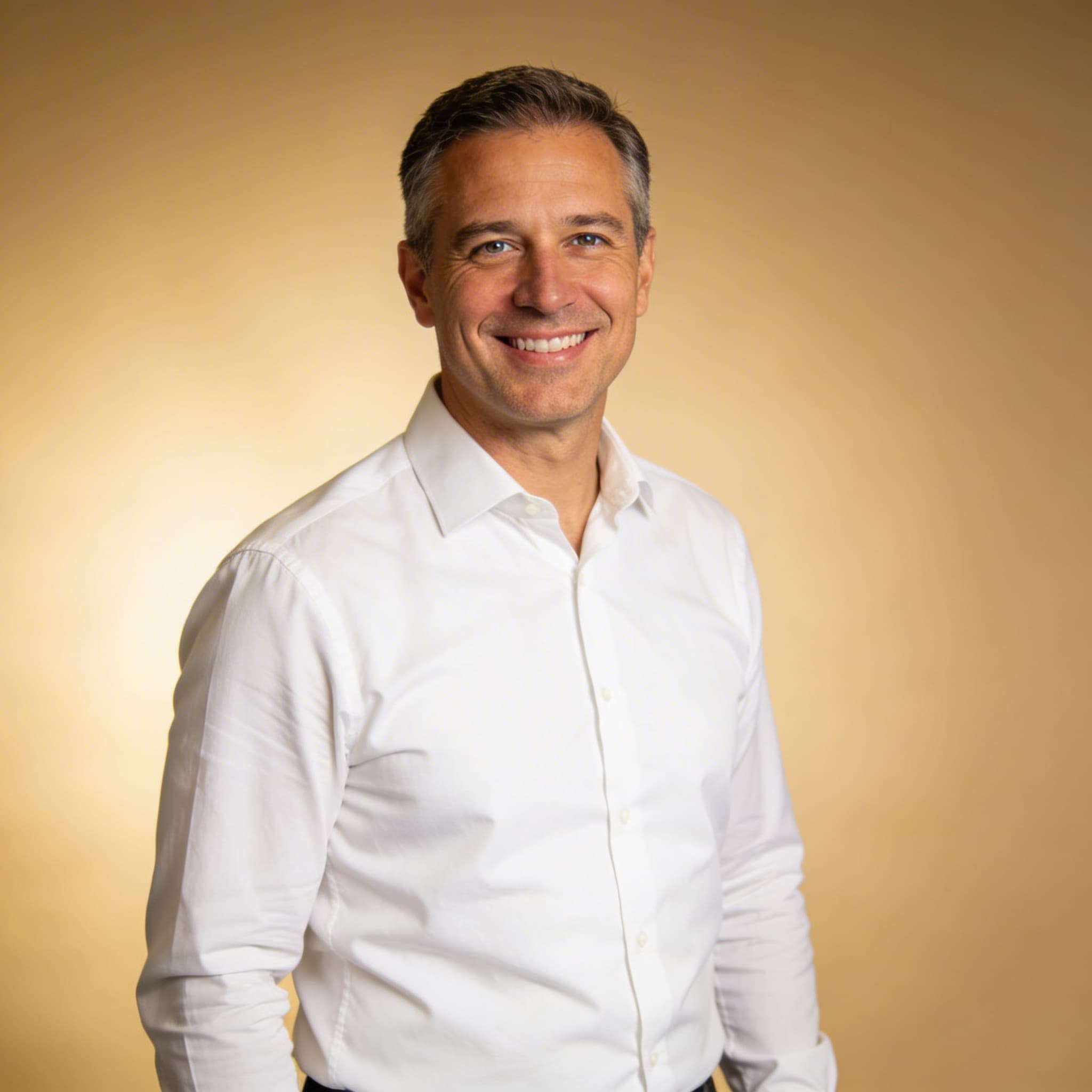
Dr. Michael Patterson
Clinical Psychologist
Dr. Patterson is a licensed clinical psychologist with over 15 years of experience specializing in substance abuse disorders and co-occurring mental health conditions. He has developed evidence-based treatment protocols for alcohol addiction recovery in clinical settings across Florida.
Editorial Policy
AlcoholRehabFlorida is an independent treatment facility directory. Centers do not purchase position or prominence. Ranking uses: confirmed SAMHSA inclusion, current state license, insurance partnerships, program options, and evidence-supported methods. Clinical review and quarterly revisions keep data reliable.
Resources Used
- NIAAA (2023). Alcohol Use Disorder Facts and Numbers. National Institute on Alcohol Abuse and Alcoholism.
- SAMHSA (2023). National Survey on Drug Use and Health. U.S. Department of Health and Human Services.
- American Society of Addiction Medicine (ASAM). Alcohol Use Disorder MAT Standards. 2023.
- CDC (2023). Alcohol and Public Health: Alcohol-Related Disease Impact. Centers for Disease Control and Prevention.
Medical Disclaimer
AlcoholRehabFlorida is an informational service and directory, not a clinical care provider. Clinicians verify information from SAMHSA, NIAAA, and certified programs. This information is educational only, not medical guidance. Seek qualified medical evaluation for diagnosis or care. Health emergency? Dial 911. Alcohol crisis? SAMHSA Helpline: 1-800-662-4357 (24/7, free, private).
Prepared to Start Recovery?
Compassionate specialists available 24/7 connecting you with your perfect alcohol program. Confidential and free.
No obligation • 100% Private • Always Open